Reclaiming Sunday Fun Day
Take back your joy by steadfastly devoting one day per week to your health, your sense of personal agency, and your own unique pursuit of individual happiness.
Chances are, you’re shoulding yourself to death.
Waking up day after day to a neverending litany of “have to’s” is to the human spirit what a stake is to the heart of a vampire. It may not prove immediately fatal, but it slowly bleeds away your life force. Before long, getting out of bed feels less like “good morning” and more like a death slog.
You deserve a break. Yes. You do.
Furthermore, your nervous system downright requires one. This is science.
Reclaiming Sunday fun day is the best thing I’ve done for my own mental health in a long time. Here’s why — and why you should hold at least one day per week sacrosanct for you and your family’s personal growth, too.
The Importance of Rest for a Well-Functioning Nervous System
Even the most unrepentant, Type-A member of the Humans-Were-Put-Here-to-Serve tribe can recognize that regularly scheduled rest is crucial to performing at their productive best. All work and no play makes Jack a dull boy through several scientifically recognized biological mechanisms.
One is by impacting your gut microbiome. Chronic stress can trigger intestinal dysbiosis, which is a fancy way of saying it throws the beneficial bacteria in your belly out of balance. These conditions can spur “leaky gut,” which then drives brain inflammation through the gut-brain-immunity axis [1]. An inflamed brain is often an anxious, depressed, and foggy brain. Good luck focusing on that budget report.
Another is through impacting the nervous system more directly. One study on synaptic remodeling — the process by which you form new connections between brain cells — suggests that prolonged stress impairs this plasticity in your hippocampus [2], the part of your brain where new neurons form [3]. Nerve cells, like all cells, die, and if you aren’t replacing any of those damaged brain cells, you do the math.
A different study suggests that prolonged, unpredictable stress produces anxiety-like behavior by altering your levels of certain neurotransmitters, like serotonin, dopamine and GABA [4]. It activates inflammatory cascades that direct certain nutrients away from neurotransmitter production. The result of these altered brain chemical levels isn’t “just” anxiety and depression. You also lose your ability to focus and concentrate.
Minor alterations in your mental state due to stress might feel more impactful than ever if you suspect you have long COVID. Research suggests this condition can also cause mental health impacts like long-term mood problems [5]. Multiplying a physical stressor like a virus times an unending to-do list can leave you feeling seriously fried while simultaneously killing your drive to want to do anything. That’s a lose-lose scenario that only rest can address.
Your mind consists of living tissue, like your muscles. It’s also your body’s command central. Even the most dedicated bodybuilder would cease making gains if they performed biceps curls all day, every day, without stopping. Why would you do the equivalent to what’s arguably your body’s most important organ, your brain?
During stressful times, it’s tempting to push even harder, working seven days a week and burning the midnight oil. However, doing so can be a recipe for disaster.
Ask yourself this — could you afford to take a few months off to recover from a car wreck caused by drowsy driving? It suddenly becomes more realistic to honor your need to rest by taking at least one full day off per week when you reflect on the catastrophe that could arise from pushing yourself too hard for too long, despite your body’s protests.
What Is “Fun” Anyway? Planning Your Perfect Sunday Fun Day
The great thing about Sunday Fun Day is that it is as unique as you are. It need not even fall on a Sunday (especially if you work in food service).
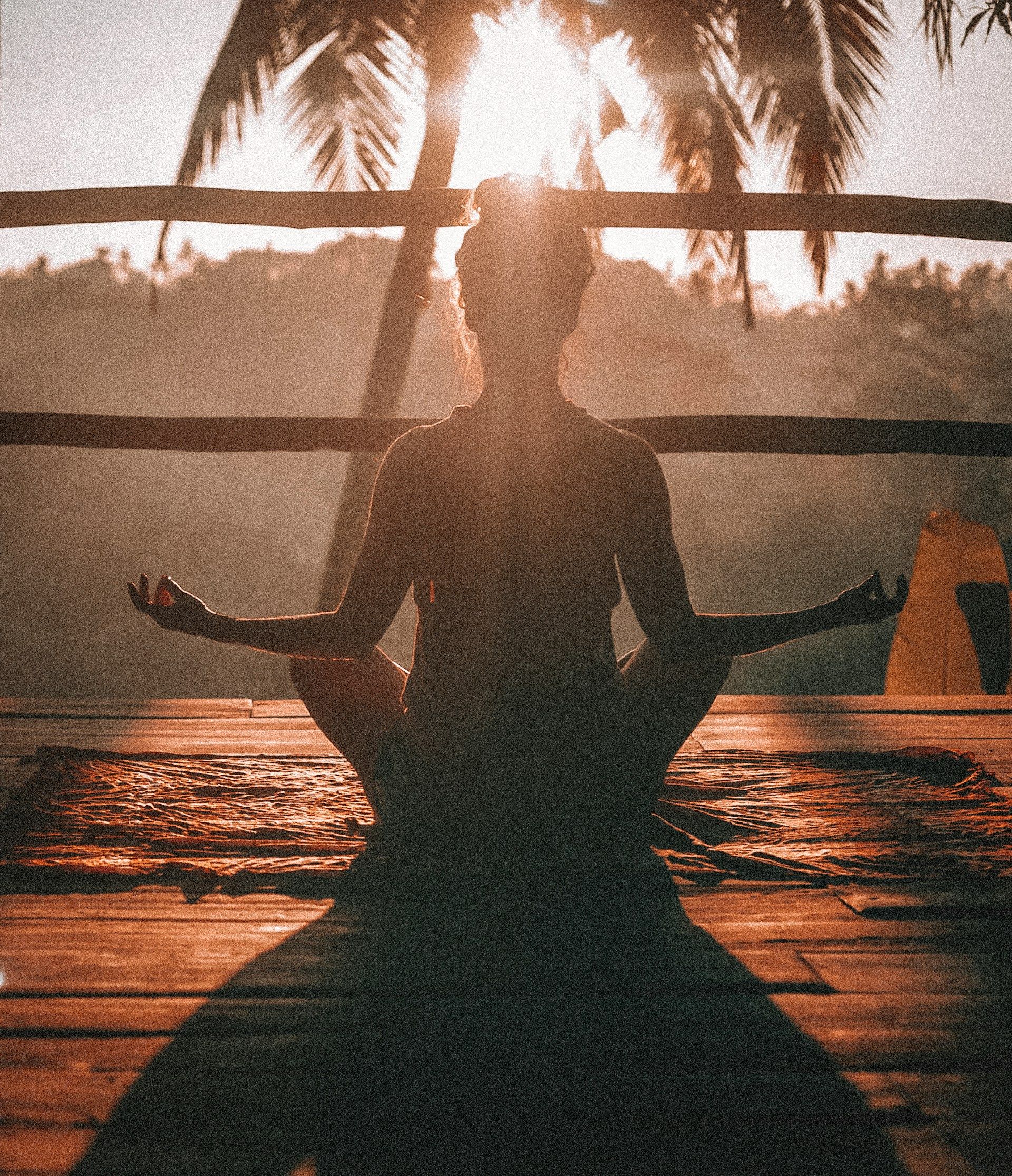
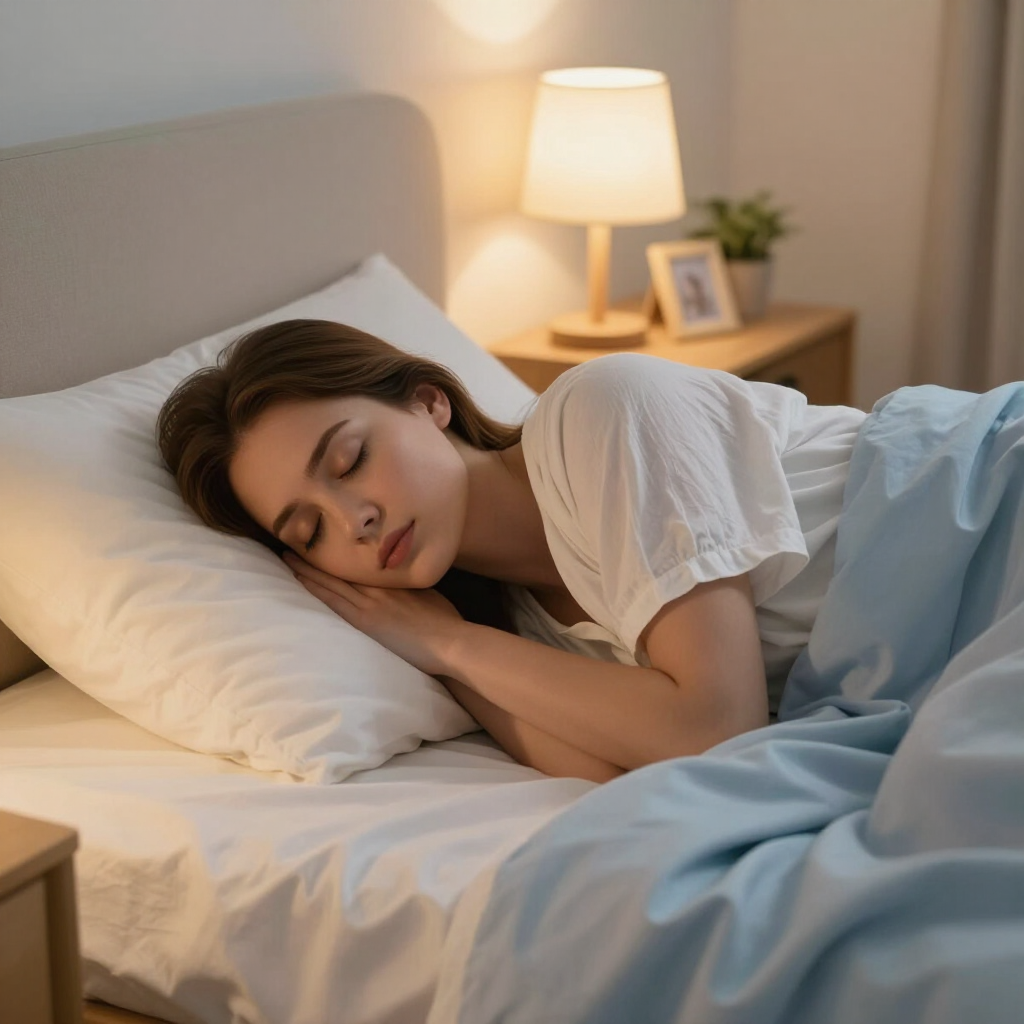
Nor need it always be entirely lazy. Sometimes, sure, Sunday Fun Day may look like lazing about all day in bed. Other times, it might involve a hike with the entire family. Sometimes, it can entail working on a creative passion project, like a book or a YouTube channel. You might even combine elements, such as by making educational TikToks about your favorite hobby with your kids.
The important thing is, whatever you choose should make you smile. The whole idea is to have nothing at all to do on your agenda, leaving the unplanned time free for you to explore what makes you feel good. Sometimes, that may involve sensual indulgences, like snuggling back under the covers with a book. Other times, it might mean finally painting those chipped shutters if doing so brings you renewed joy each time you pull into your driveway.
The only rule to Sunday Fun Day is that it must be fun — however you define it. Put it in your planner. Schedule it as routine maintenance for your CNS. Observe what happens to your mindset when you give yourself just one day a week to say, “I do what I want,” not just “yes, master, I obey your every command.”
The One Cardinal Rule of Sunday Fun Day — Respecting Autonomy and Nervous System Differences
Sunday fun day is like the old Outback Steakhouse ad of “no rules, just right,” but there is one cardinal guideline you must follow to make it equally restful to everyone: Your Sunday fun day is not allowed to become yet-another chore on your family’s to-do list.
Sure, you want to engage with the whole gang. However, here’s the thing: everyone’s nervous system is different. I’m acutely aware of this as an autistic person. Even things you think “should be fun,” such as a laser tag adventure, can feel like drudgery to a nervous system that’s already overstimulated from a long week at school, work or both. When all you crave is rest, even play feels like torture.
Therefore, find a way to respect everyone’s autonomy. The most critical aspect of Sunday fun day is clearing your calendars of every to-do once per week to make space for “want-to-dos.”
Compromise with your family. Take turns choosing outings. Go wild proposing activities if you have the budget, but respect the word “no.” If your kiddo wants to play video games all day to self-soothe, look for ways to engage in your passions around the house so they won’t be unsupervised.
Your kids won’t be young forever, but their nervous system very much will remember how you affected it for the rest of their lives. No, I am not a doctor or scientist, but I write this with absolute certainty all the same, based on my own lived experience. How you make your kids feel is more important than any verbal lecture.
You are your child’s world. If your child does not feel safe with you, they may perceive the whole world as hostile. They won’t learn much from your words, no matter what you try to teach them — their young brain is too focused on survival.
Show your kids the world can be safe, kind, and flexible through your gentle example. Guide, suggest, explain the reason for Sunday fun day from an age-appropriate, scientific perspective (my young brain would have eaten this up!), but don’t use force. Doing so transforms what should be relaxation into yet another “must-do,” which feels a lot like “danger” when you’re already overwhelmed. Your child could unwittingly begin to associate “fun” with negative connotations, which can make it even harder for them to relax.
Letting your child learn to self-soothe, however, is one of the best things you can do for them. Therefore, let your kiddo lead the way in choosing Sunday fun day activities, at least when they’re young. Those kids who need more stimulation will seek it, and many kids are delighted to be your sidekick on most any adventure. Just remember that not every child has an inner daredevil — respect the quiet ones’ desire to color or read sometimes.
Sunday Fun Day — One Cure for America’s Collective Nervous System
Modern life has indelibly changed the human stress landscape. Your body evolved to handle rare, temporary perils, like a hungry lion strolling through your village. It hasn’t yet adapted to the constant, low-key pressure of rent, credit scores, inflation, and the existential threat of climate change.
While you can’t speed up evolution, you can give your nervous system a necessary break. By saying “no” to outside demands, fully, wholly, completely, and reclaiming Sunday fun day, you do more than reward yourself for a week of work well done. You nurture your physical self, remind yourself that you matter, and develop the true resilience that lets you endure the slings and arrows of outrageous existence throughout the rest of the week.
References:
[1] Frame, Leigh A., et. al. “Dangers of the chronic stress response in the context of the microbiota-gut-immune-brain axis and mental health: A narrative review.” Frontiers in Immunology. May 1, 2024. Retrieved August 2, 2026, from: https://www.frontiersin.org/journals/immunology/articles/10.3389/fimmu.2024.1365871/full
[2] Baczynska, et. al. “Stress resilience is an active and multifactorial process manifested by structural, functional, and molecular changes in synapses.” ScienceDirect. November, 2024. Retrieved August 2, 2026, from: https://www.sciencedirect.com/science/article/pii/S2352289524000791
[3] “New hippocampal neurons continue to form in older adults, including those with MCI, Alzheimer’s.” National Institute on Aging. August 15, 2019. Retrieved August 2, 2026, from: https://www.nia.nih.gov/news/new-hippocampal-neurons-continue-form-older-adults-including-those-mci-alzheimers
[4] Luo, et. al. “Chronic unpredictable mild stress induces anxiety-like behavior in female C57BL/6N mice, accompanied by alterations in inflammation and the kynurenine pathway of tryptophan metabolism.” Frontiers in Neuroscience. February 25, 2025. Retrieved August 2, 2026, from: https://www.frontiersin.org/journals/neuroscience/articles/10.3389/fnins.2025.1556744/full
[5] Bhaskar, Anand, et. al. “Neurological, psychological, psychosocial complications of long COVID and their management.” Springer Nature Link. October 9, 2024. Retrieved August 2, 2026, from: https://link.springer.com/article/10.1007/s10072-024-07854-5