Learning to Sit With Sadness on the Yoga Mat
Your feelings won't kill you, but how you handle them makes a difference.
What do we as humans do with negative emotions? Despite the millions of self-help books on the topic and the countless hours of university research poured into mood “disorders,” many of us still cannot find more than the most fleeting joys, let alone lasting happiness.
Years of meditation have taught me some hard truths. One is that you truly only have two options for dealing with negative emotions. The first is to act on them. The other is to accept what you cannot change.
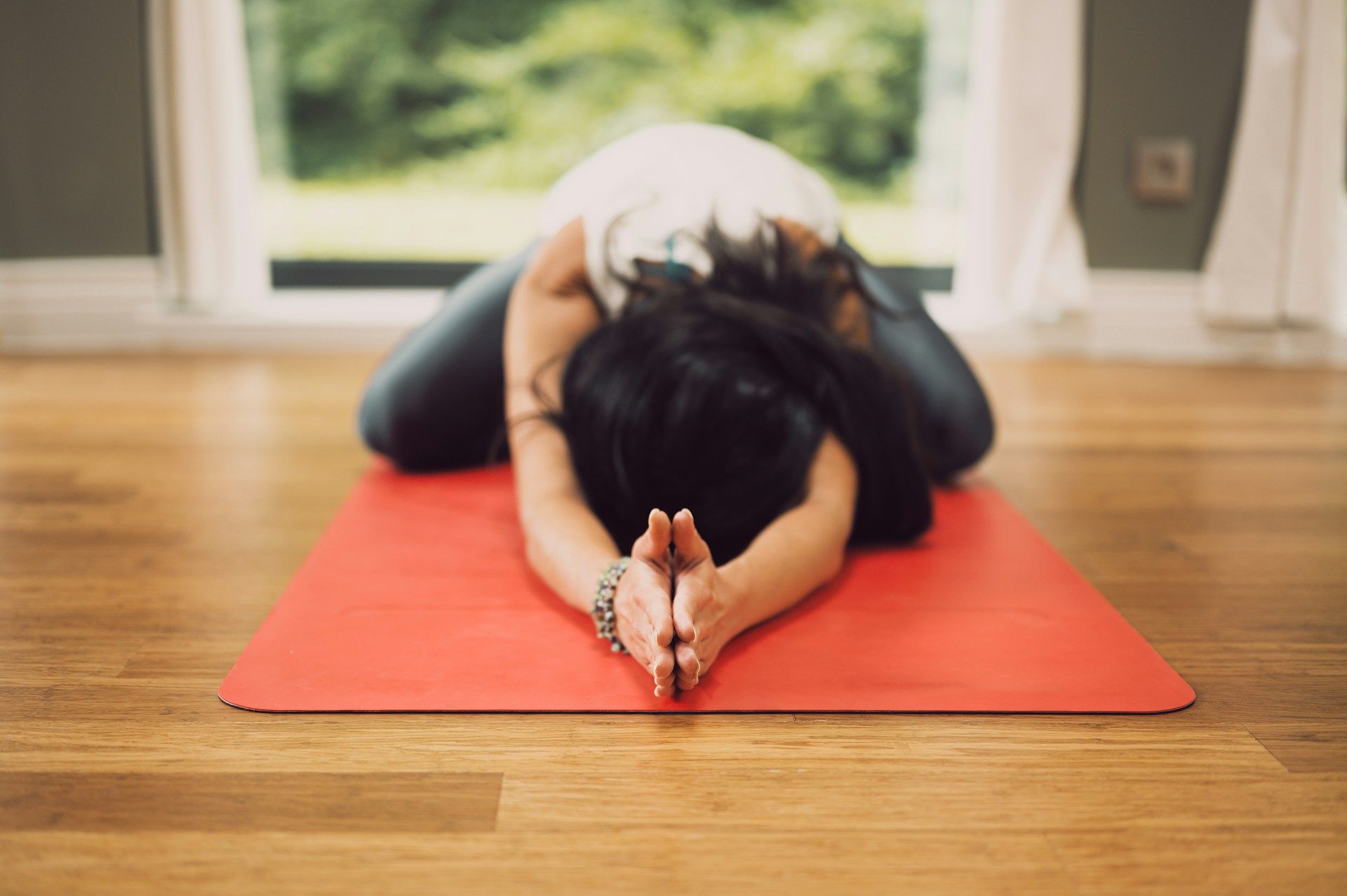
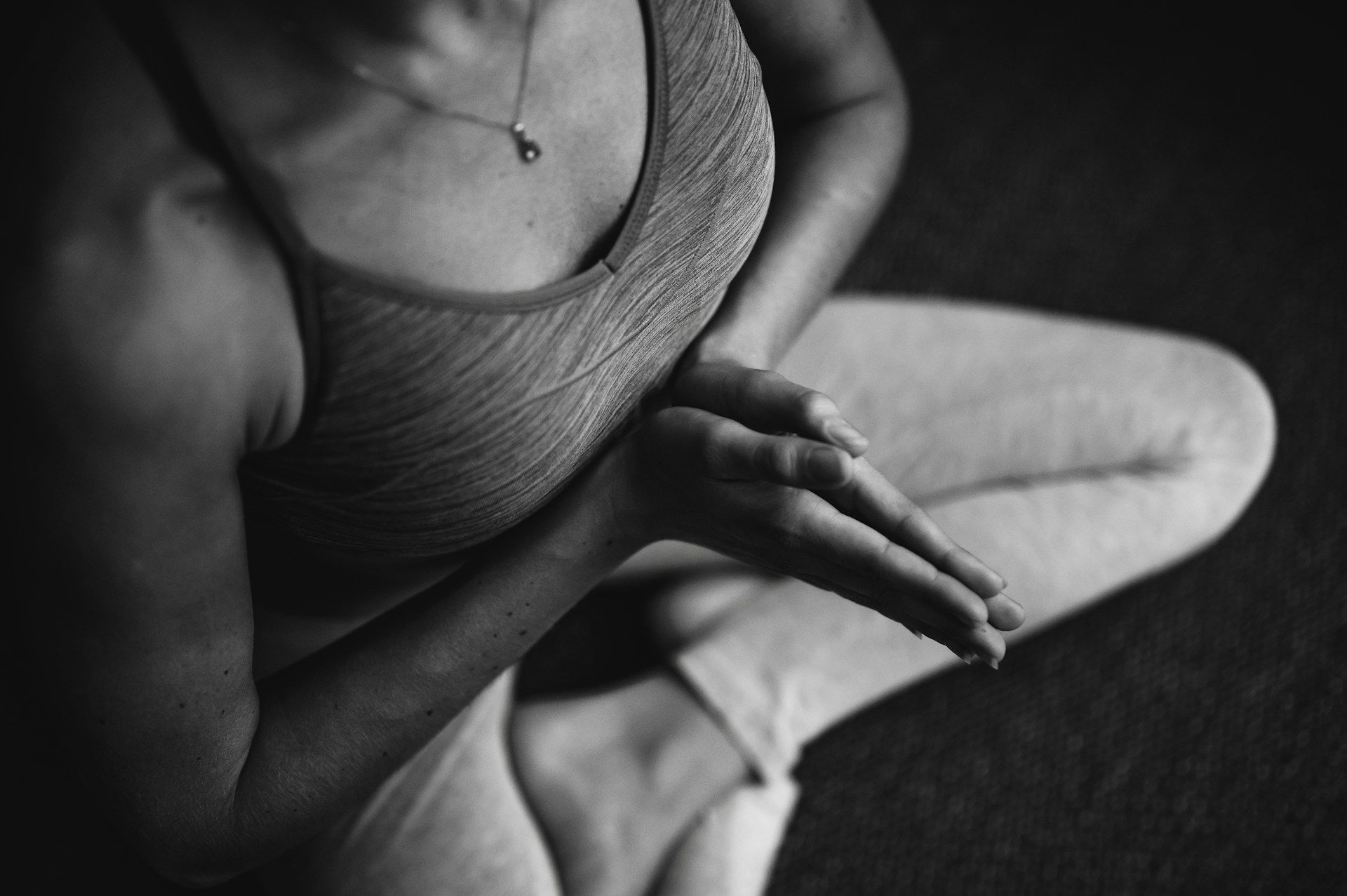
Which approach is best in any given circumstance, time, and place requires mindfulness. Your yoga mat is the ideal place to encourage clarity of thought. It also creates a safe harbor where you are safe to feel, process, and yes, cry and scream into the void.
Processing the Things I Cannot Change on the Yoga Mat
The best way I can show what I mean by processing the things I cannot change on my mat is to explain my own healing process. The past few years have been hard on me in ways that the previous two decades were not. Before, I was in pure survival mode. My need to keep a roof over my head while getting to the bottom of mysterious health symptoms that stymied my ability to work and lead a normal life took up every minute. Nothing existed beyond daily triage.
Thanks to my beloved, I have enjoyed greater financial and housing stability over the past several years. However, that hasn’t spared me from different kinds of heartbreak. While I am forever grateful to my work on the mat for my newfound ability to navigate this minefield sober, it hasn’t been an easy few years.
Tremendous Loss
First came the loss of my beloved Poe, who was so much more than a cat. Then an ex-spouse, one I had loved dearly but simply could not live with amid addiction and poverty. My dad and then my aunt next crossed over. Finally, my beloved yoga cat and best friend of 15 years, Squeeks, passed beyond the gate.
My grief has been enormously complex. Some of the souls I lost were among the most loving and pure I have ever known. The other relationships were more contentious, but there was still much love and many valuable lessons learned. These losses all occurred within the past three years; on any given day, I still alternate between crying jags and fits of dark despair when something triggers a memory. And, much like the old Naked Eyes song goes, there’s always something there to remind me.
Mourning a Life Never Lived
Although it was my physical symptoms that eventually drove me to straighten out my mental mess, figuring out what was going on with my brain was an easy pattern to recognize once I had a few missing pieces. I will forever be grateful to Psychological Pathways, Devon Price, Mom on the Spectrum, and other people who have contributed enormously to the recognition and treatment of autism spectrum disorders. I’m even grateful to the long-ago school psychologist who mislabeled me as “gifted” when I was four — it gave me a necessary point of reference.
Figuring out I was never gifted, simply autistic, was the easy part. Dealing with the aftermath, not so much.
Part of it was horror over my own behavior. While I’m grateful that I was a “lie in bed and read a book” drunk and not the vehicular manslaughter sort, and while I never fight back unless cornered (flight is my go-to response), oh, can I be vicious when I do feel trapped. Furthermore, I learned the art of verbally decimating another person from a true master in the art, and my meltdowns often mirror the rage I was so often on the receiving end of as a child.
A good deal of my sadness, though, was mourning the life I might have had, had autism been properly identified in girls back in 1976 when I was first tested. Despite my brain’s stubborn refusal to do math, I am gifted in several ways, and I could have contributed much more to the world had I only had the support and intervention necessary to keep my lack of social awareness from crippling me.
Nor is autism the only driving force behind this mourning. Although a wise nurse practitioner at a Chandler, AZ, Urgent Care first noted my issues with orthostatic hypotension back when I was 30, I lacked consistent access to medical care. Because I was uninsured, I didn’t go to the doctor unless it was an emergency, and every time I did, I got scolded for using emergency medicine, furthering my distrust of doctors. However, no one ever taught me how to access the complicated US healthcare system the “right” way.
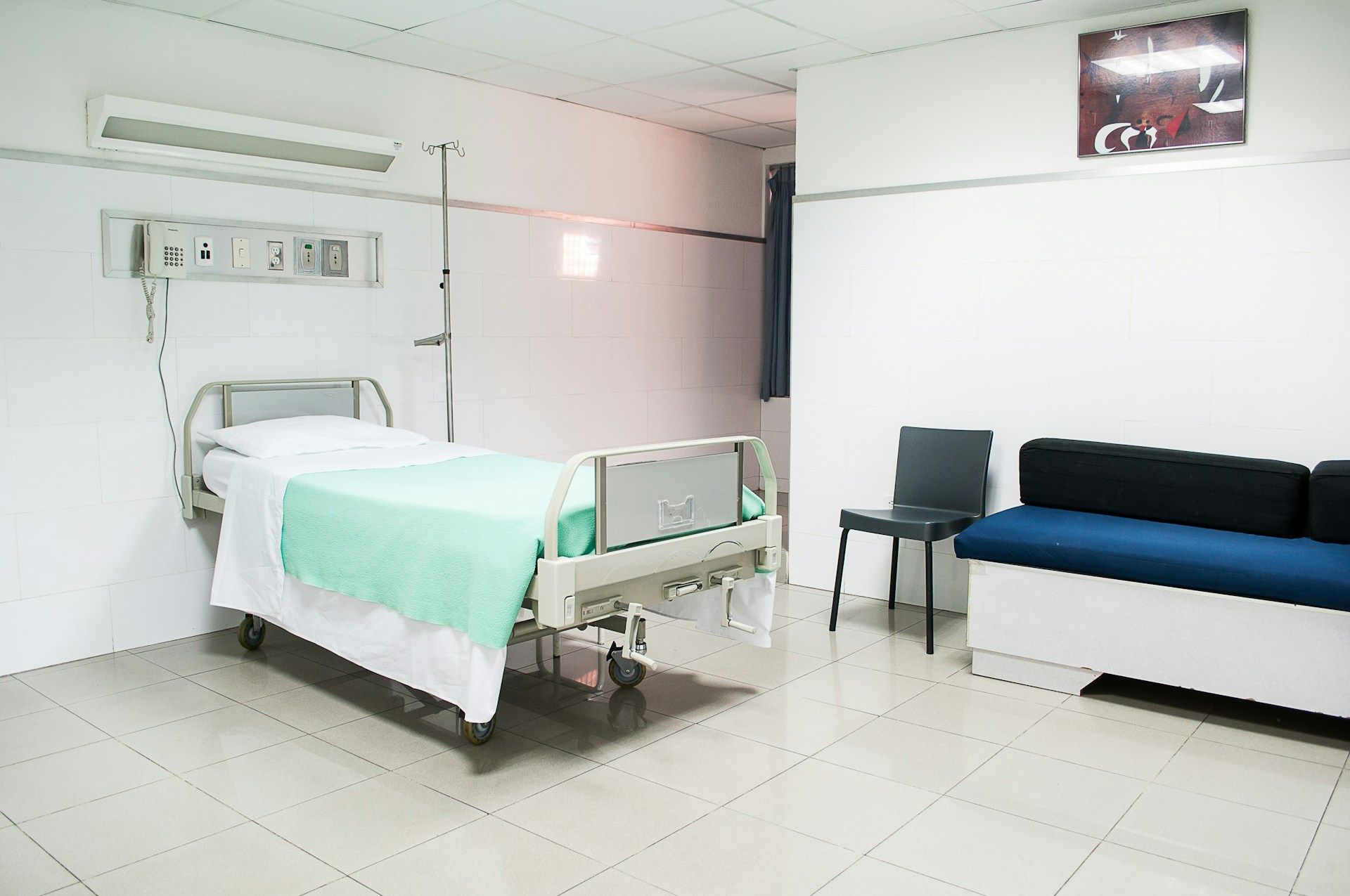
Although I await final confirmation from a tilt table test, the going hypothesis is POTS, or postural orthostatic tachycardia syndrome, based on what the monitors on my heart found during my recent hospitalization. This condition can easily be confused with a panic disorder, as it causes irregular spikes in your heart rate. It can also make you pass out—like some of my “hemiplegic migraines” make me do.
Incidentally, this is what I mean when I say there is no anger in me anymore, only sadness. How could I be angry? POTS
wasn’t even recognized by medical researchers until 1993 [1]. Should I rage at my parents, my ex-partners, the entire medical establishment? Literally
everyone reinforced a singular message: you’re not really sick, you’re just crazy, you’re making this up for attention.
The whole world was the problem, and yeah, I was angry. You would be too, if you felt like you were literally dying, but everyone around you sneered, “you’re a liar!”
From my perspective, my lived experience has been akin to that of an epilepsy patient in the 1800s. Before science understood the physiological roots of that disease, sufferers were also deemed “insane” and thrown into asylums. However, I can’t blame
anyone for being ignorant of what they simply didn’t know about at the time.
There is still sadness. Certain people whom I love dearly will never even try to understand the impact these two undiagnosed conditions have had on my life, and they’ve made it clear that they aren’t even interested in hearing about my experiences. That hurts. A lot. However, wishing or even tearfully begging them to listen won’t help and will only bring further hurt and suffering to both me and them. All I can do is radically accept their indifference and direct my love energy toward those who do care.
Radical acceptance is, admittedly, much easier now that I do have others in my life who support and love me. I’m forever grateful to my beloved, our family here at
A Quiet Place and, of course, my yoga partner Ed, for listening to me and for loving me for who I truly am.
Still, I only learned I was autistic at 52 and am just now confirming my POTS diagnosis (hopefully) at 53. Mourning nearly 54 years of barriers to my potential at the same time as going through other losses has been a lot.
Facing Future Fears
I’d be remiss if I didn’t mention that now is also a scary time for millions of people. I don’t even think I need to go into further detail. We’re all aware of the elephant in the middle of America’s living room, even as we feel different sorts of ways about it.
Uncertainty has truly reigned supreme since at least 2019, the year the COVID-19 pandemic began. Put it this way: as a child, I didn’t realize I fell in love with horror movies because they offered a predictable scare pattern that regulated my wee nervous system way more than the chaos in my household. Today, if I want a good jump scare, all I have to do is scroll through the news where headlines of WWIII and AI terminators scream.
Suffice it to say I cannot influence world events, nor do I want to. However, they affect me deeply. It’s nearly impossible for me to feel settled when I think of the magnitude of the suffering, how many crucial human needs go ignored while world leaders fight over who has the right to manipulate the populace. It’s a constant sadness that very much weighs on my soul.
Creating a Safe Harbor for Sitting With Sadness in Your Yoga Mat
I can’t go back and relive my past, now that we know that POTS exists and that yes, Virginia, girls can be autistic, too. I can’t bring back those I have lost. I can’t even fully tune out the news, much as I try to these days, if only so that I can continue to function.
Negative feelings need a place to go. Anger is a type of energy, as is sadness; you can direct these outward or inward.
Outward expressions of negative emotions can cause horrific consequences. How many wars have been fought out of the spirit of revenge?
Violence is the ultimate manifestation of directing that negative emotional energy outward. The problem with violence is that it creates a ripple effect that inspires future acts of destruction. While you may feel a momentary catharsis from heaving that glass against the wall, shattering it, you can easily bloody your feet, knees and hands on the shards. Hurting others, even hurting their belongings, causes resentment and anger in others. Now they have to do something with
their
negative emotions.
However, directing negative emotions inward by stuffing them is equally harmful. Anger turned inward often
morphs into depression [2], but sadly, those who come across as cross are rarely seen as “needing help.” Instead people (rightly) avoid them and their irritable behavior, furthering the individual’s sense of guilt and shame.
Often, addiction and other mental health issues arise when you stuff down negative emotions. Addiction is, in many ways, a manifestation
of the flight response [3], a desire to escape feelings that overwhelm you.
However, here’s a cool tip I learned from a Buddhist nun during
a Plum Village recording that I will never forget. The peak of your emotional response—that feeling of ‘I cannot live through this’---only
lasts about 90 seconds [4]. If you can hold on for that long, the feeling won’t entirely disappear, but it will become manageable. The simple magic of awareness begins to dial it down, allowing you to examine your thoughts.
Learning to Sit With Sadness
Once you are able to calm your nervous system enough to examine your thoughts, you can question them. Are they logical, based on fact, or simply reflecting your emotional turmoil? How could you approach the same idea differently? What happens when you shift perspective?
I’ll be honest: sometimes, I can do this. Some days, I cannot. There are days when I simply cry into my yoga mat. Sometimes, all I can do is light the candles behind my cat statues and reflect on all the gentle lessons they taught me to keep from going off the rails—or back into the bottle.
However, crying, even screaming, into your yoga mat, is the opposite of stuffing your feelings down. It’s still processing them. It might look messy, but it’s a lot less so than going out, getting high, and ending up in a car wreck that destroys your life and others.
Talking to your mat doesn’t magically take your pain away. It doesn’t make death less inevitable, and it doesn’t make accepting those things you cannot change easier to bear.
What it does do, however, is prevent you from stabbing yourself with a second arrow, adding to your existing pain by engaging in destructive, hurtful behaviors that strain your closest relationships, including the one you have with your sense of self.
Nobody can cultivate this resilience but you. However, learning to process negative emotions on the yoga mat is a skill I wish we taught in schools. Fortunately, with patience and loving kindness toward yourself, you can teach yourself how to sit with sadness and gain the inner courage that comes when you learn that you are, in fact, strong enough, to handle what the world throws at you.
The process probably won’t be linear. It will be messy. And painful. However, it’s oodles better than destroying others with random acts of violence or decimating your health with addictive substances.
Each time you allow yourself to process your emotions on the mat instead of acting them out or stuffing them down, you reinforce a vital skill. You also gain more confidence in your ability to weather emotional turmoil. You may not be able to stop life’s incoming storms. However, you can learn to answer back, “you don’t scare me,” while you dance amid the raindrops.
References:
[1] Rasavi, Medhi and Safayi-Naeini, Payam. “Postural Orthostatic Tachycardia Syndrome.” PubMed. February, 2020. Retrieved April 21, 2026, from:
https://pmc.ncbi.nlm.nih.gov/articles/PMC7046364/
[2] “Is Depression Anger Turned Inward?” New Harbor Behavioral Health Care. ND. Retrieved April 11, 2026, from:
https://newharborbh.com/is-depression-anger-turned-inward/
[3] Nolan, Maura, LPC, LCMHC, NCC. “Beyond Fight, Flight or Freeze: Treating Addiction Through Nervous System Regulation.” Open Sky Wilderness Therapy. ND. Retrieved April 21, 2026, from: https://www.openskywilderness.com/addiction-and-nervous-system-regulation/
[4] Stone, Alyson M., PhD, CGP. “90 Seconds to Emotional Resilience.” ND. Retrieved April 21, 2026, from: https://www.alysonmstone.com/90-seconds-to-emotional-resilience/