When Trauma and the News Don't Mix: 10 Coping Tips
Written by Jennifer Stanley
A viewer recently wrote, “I’m a veteran with PTSD, and lately, events in the news are highly triggering. Can you help?” I felt this question to the depth of my soul. I’ve also been having a hard time with the state of the world, and it’s been triggering some intense panic attacks and other anxiety symptoms in me, too.
Although I’m not a veteran, I live with and love one. Therefore, this question hits home in that way, too, as we struggle to help each other process the events around us. I’m not writing as a doctor or scientist, simply someone with my own skeletons who cares for someone with a similar history. Here are the coping tips we use to stay sane — including two I want to try — to stay centered when trauma and the news don’t mix.
1. Find Support
A good support system can be hard to find but is essential for counterbalancing the negative stimuli bombarding you daily. Although it’s tempting to isolate yourself, engaging in avoidant behavior can lead to loneliness — and missing out on the good things life has to offer that counteract the bad.
Fortunately, you can find online and in-person support groups. Reddit is a surprisingly good resource, and apps like 7 Cups let you connect virtually from wherever you are.
Furthermore, there’s no shame in reaching out for professional help. One of the bravest things you can do is admit you need assistance. If you have coverage and can afford the copay, a therapist can be an excellent sounding board even when you aren’t in a full-blown mental health crisis.
2. Turn Off the News
Here’s a huge tip, and one I admittedly struggle with as someone in a media-related profession. People today have 24/7 access to nearly everything happening in the world, but that’s not necessarily a good thing if you’re coping with a trauma-related or anxiety disorder.
Fortunately, you can learn to tune out, although it can seem difficult at first. Consider cutting the cable cord and investing only in apps for channels you want to watch — you can save a bundle while eliminating the temptation to let CNN play in the background. Use apps such as Freedom to block access to certain apps at particular times or even cut off your internet access completely while you reset your nervous system.
3. Exercise
When something triggers you, your HPA axis sets off a cascade of events that results in adrenaline and cortisol release. These two stress hormones give you the energy to get up and go, but you can develop a tolerance over time, contributing to numerous health woes from anxiety and depression to Type 2 diabetes.
Dissipate these chemicals the way nature intended before they can affect your psyche. Your body can’t tell the difference between a brisk run around the block and fleeing a hungry lion. Movement mitigates your stress hormone levels, making you feel more relaxed, calm and focused.
4. Yoga
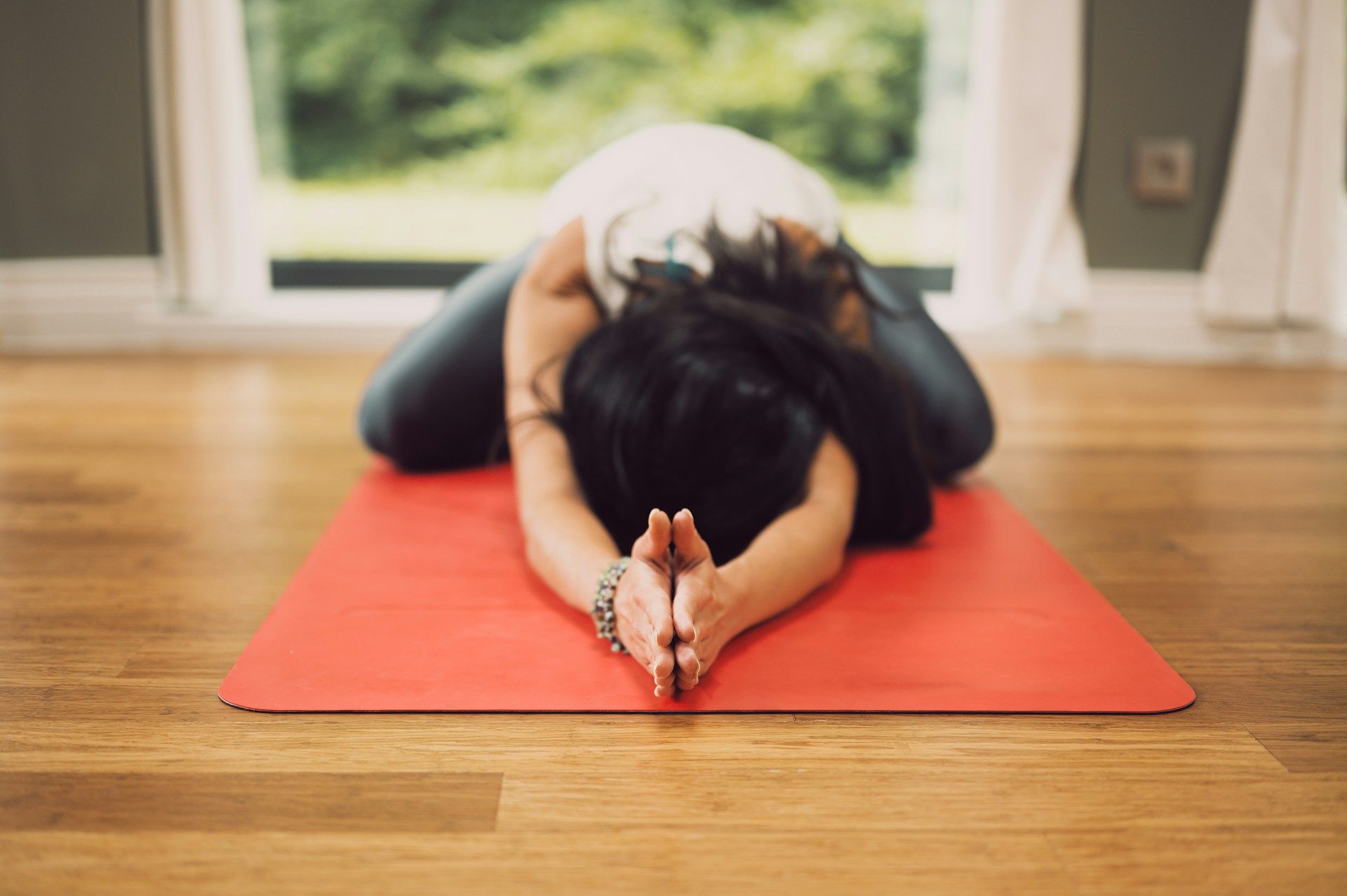
Mindful movement also matters. Yoga is one of the best tools for healing trauma that gets trapped in your somatic nervous system — the cells all over your body, not just your brain. Through talking to the mat, you gain awareness of how it manifests. From there, you can breathe into tight muscle areas, consciously relaxing them.
The information superhighway in our bodies runs in both directions. Signals from the body can relax and calm the mind just as thoughts originating in the brain can prompt physical changes. Healing yourself through mindful movement can be a powerful act of self-compassion that’s as rewarding as a warm hug or a spa day, sending your nervous system the message that you’re okay, you’re safe and you’re loved.
5. Focused Meditation
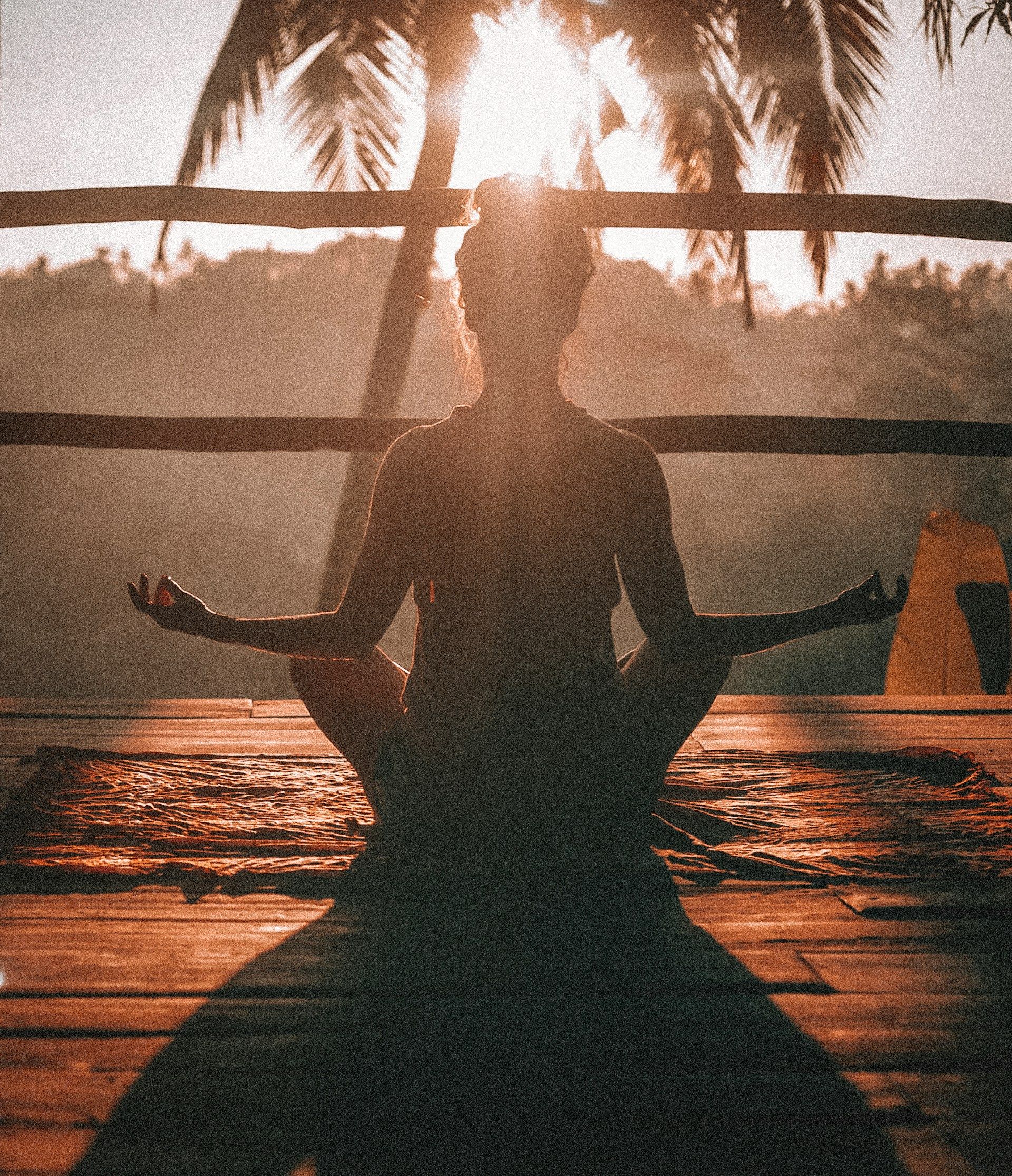
Many people recommend meditation for stress. However, for some, sitting quietly spurs rumination, leaving them feeling worse than before they took to the mat or zafu.
When the world’s stress triggers a trauma reaction, your goal is to bring your nervous system back into balance, not figure out the answer to every problem — an impossible task. Instead, used focus meditation techniques such as the following to shut out the negative stimuli making you feel tense:
- Breathe and count backwards from ten: Consciously slow your breathing as you count in your mind. You might even repeat the numbers in your mind as you inhale and exhale — ten, two-three-four, ten two-three-four-five, nine, two-three-four, etc.
- Light a candle and set a timer: For thirty seconds to several minutes, mentally describe the flame, being as detailed as possible as you slow your breath.
- Scattergories list: Choose a neutral topic and a letter — such as “a boy’s name” and “A.” For 30 seconds to several minutes, mentally list as many as you can think of, inhaling on one name, exhaling on the next.
6. Diet
Can food affect your mood? You betcha. There’s a huge link between anxiety, depression and systemic inflammation, and certain not-so-healthy snacks add to that burn, such as:
- Sugar
- Bleached flour
- Unhealthy fats
- Processed meats
However, there’s a positive side. Just as the above foods can make you feel worse, getting more of the following can improve your mood and mindset:
- Omega-3’s: Found in fish and certain plant-based foods such as flax seeds and hemp seeds. Many Americans don’t get enough and eat too much omega-6, increasing inflammation. The ideal ratio is close to 2:1, although the average is closer to 16:1.
- Magnesium, selenium and zinc: These minerals, found in nuts, seeds and many other plant-based foods like spinach and whole grains are necessary for making various neurotransmitters.
- Brightly colored fruits and vegetables: These contain various antioxidants, which whisk free radicals out of your body before they can damage your cells and spur inflammation.
7. Supplements and Herbs
Several over-the-counter remedies, including herbal supplements, can help you feel calmer and improve your mood and mindset, including the following:
- Chamomile
- Lavender
- Lemon balm: Can worsen anxiety in some.
- Kava: Generally boosts mood but can cause a mild dissociative feeling in some.
- Valerian: Use caution with this herb if also taking benzodiazepines.
Also, some people report relief from the following supplements:
- L-theanine: This amino acid is found in tea and helps some feel calm.
- GABA: You can buy supplements of this neurotransmitter that acts as the brain’s natural valium, although you might not absorb enough to make a substantial difference.
- Theobromine: Found in chocolate and said to boost mood while providing energy.
8. Therapy
You don’t need to be in a mental health crisis to seek out therapy. In fact, it might be better to seek it when you aren’t in danger of a meltdown or behaving in a manner that could harm you.
Why? It takes a while to find the right fit, requiring the luxury of time you don’t have when you feel overwhelmed and intent on self-harm, if only to put a stop to all the negative stimuli bombarding you.
9. EMDR
EMDR stands for eye movement desensitization and reprocessing. During a session, you recall a traumatic event as the therapist creates sensory input, such as having your eyes follow a light rapidly back and forth. This combination crosses certain “wires” in your brain, weakening the connection between the painful thought and the physical cascade it sets off, prompting panic.
Therapists typically perform EMDR, but it requires additional training. Ask if your provider has the requisite experience or seek a referral from your primary care provider.
10. Ketamine
Research shows that ketamine therapy can correct some of the structural brain changes that accompany trauma, contributing to the flashbacks and other symptoms of PTSD. It weakens your amygdala’s response to the trauma script that goes off in your mind when you feel triggered.
Those seeking this treatment should do so under the guidance of a professional team with experience in using the correct dosage and guiding you through the experience.
Keeping Your Balance When Trauma and the News Don’t Mix
The suggestions above can help you keep your balance when dire news stories activate your trauma response and leave you feeling panicked, miserable, anxious or depressed. They aren’t magic cures, but they can provide the strength you need to create a rich and meaningful life despite outside chaos. You can use these tools as proactive measures to protect your mental health or help you get back on track if currently suffering.
Remember, destroying yourself won’t solve the world’s problems. Nurturing and healing yourself so that you can be the best version of you that you can be can help you contribute to the solutions. o=